

Car Winch


Related Products


What Is a Car Winch and Why Do You Need One?
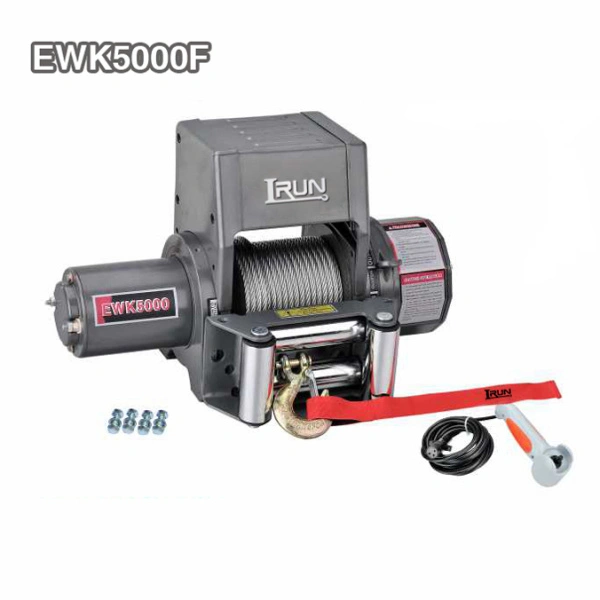
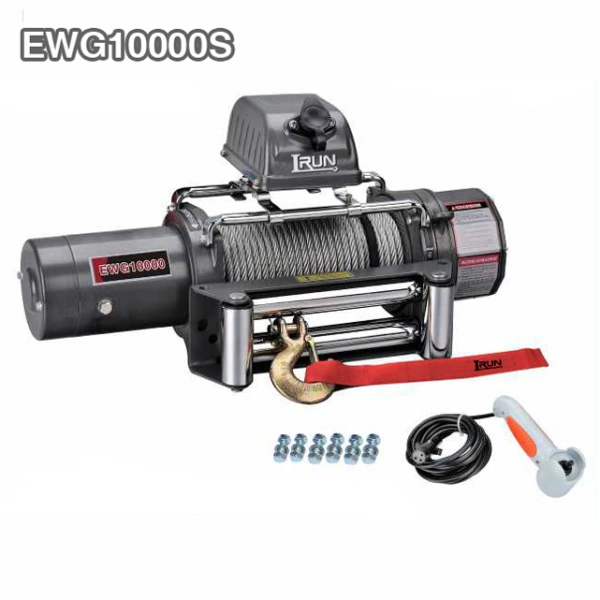
A car winch is a mechanical device designed to pull heavy loads using a spool of strong cable or synthetic rope. Primarily used in off-road recovery, construction, and industrial applications, a car winch acts as an essential tool for self-recovery when vehicles become stuck in mud, sand, or snow, or for moving heavy objects in controlled environments.
For procurement professionals and fleet managers, understanding the difference between electric winches and hydraulic winches is critical. Electric winches are ideal for ATVs, UTVs, and light-to-medium duty 4x4 vehicles due to their ease of installation and reliance on the vehicle's battery. Hydraulic winches, driven by the vehicle's power steering pump or a dedicated hydraulic unit, offer superior continuous duty cycles and higher pulling capacities, making them the standard for engineering machinery, military vehicles, and professional wreckers.
Whether you are sourcing for a single off-road enthusiast or equipping a large fleet of recovery trucks, selecting the right winch ensures operational safety, minimizes downtime, and reduces the risk of secondary damage to your assets.
Key Applications
- Off-Road Recovery: Self-extraction from difficult terrain.
- Industrial Lifting: Moving heavy components on construction sites.
- Vehicle Wrecking: Pulling and positioning damaged vehicles.
- Military & Defense: Field operations and equipment deployment.
Quality Standards and Manufacturing Excellence
At JINHUA RUNYE TECH. CO.,LTD, quality is not just a checkpoint; it is embedded in every stage of development, design, and manufacture. As a pioneering manufacturer in China with nearly 30 years of experience, we operate one of the largest winch R&D and production bases in the country, covering approximately 9,746.1 square meters.
Certified Compliance
Our products meet rigorous international standards. We hold ISO 9001:2015 certification (upgraded from ISO 9001:2000), along with CE, ROHS, CB, and GB certifications. This ensures your procurement meets all regulatory requirements for global markets.
Intellectual Property
We prioritize innovation. Our main products possess independent original intellectual property rights, ensuring that you source unique, high-performance technology rather than generic commodities.
With an annual production capacity of 200,000 winches across 10 production lines, we guarantee scalable supply chains capable of meeting large-volume orders without compromising quality.
How to Choose the Right Car Winch for Your Needs
Selecting the optimal industrial winch or off-road winch requires matching technical specifications to your specific operational environment. The decision primarily hinges on the power source, pulling capacity, and duty cycle requirements.
Electric Winches
Best for ATVs, UTVs, and 4x4 vehicles. They draw power from the vehicle's 12V/24V DC system. Ideal for intermittent recovery tasks where portability and easy installation are priorities. Models like the EWB series offer IP67 waterproofing for harsh conditions.
Hydraulic Winches
Best for engineering machinery, wreckers, and heavy-duty trucks. Driven by hydraulic pumps, they offer continuous duty cycles and higher efficiency. Models like the HWX and HWD series provide variable speed and high torque, suitable for prolonged industrial use.
Consider the pulling force required. Our range spans from 2,000 Lb for light utility tasks up to 50,000 Lb (and beyond for industrial models) for heavy extraction. Always factor in a safety margin above your expected maximum load to ensure longevity and safety.
Buyer Decision Checklist for Winch Procurement
Use this checklist to evaluate potential suppliers and ensure your winch procurement aligns with your operational goals and risk management strategies.
Technical Verification
Capacity Match: Does the rated pulling force (Lb/kg) exceed your maximum load requirement by at least 20%?
Power Compatibility: For electric winches, does it support your vehicle's voltage (12V/24V)? For hydraulic, does it match your pump flow/pressure?
Environmental Rating: Is the IP rating (e.g., IP67) sufficient for your operating climate (rain, dust, submersion)?
Supplier Evaluation
Certifications: Does the supplier hold ISO 9001, CE, and relevant safety certifications (SAE, EN)?
Warranty & Support: Is there a clear warranty period (e.g., 1 year) and accessible after-sales support?
MOQ & Lead Time: Can the supplier handle your order volume within your required timeline (typically ~1 month)?
Common Car Winch Problems and Solutions
Even high-quality winches can encounter issues due to improper use or environmental factors. Here are common problems and how our engineered solutions mitigate them.
Motor Overheating
Continuous heavy loads can cause motors to overheat. Solution: Use hydraulic winches for continuous duty cycles. For electric winches, ensure adequate ventilation and avoid sustained operation at maximum load. Our models feature thermal protection mechanisms.
Cable Fraying or Jamming
Misalignment causes cable wear. Solution: Ensure the winch is mounted perpendicular to the anchor point. Our winches include drum cable guides and SWR tensioners to maintain neat spooling and extend cable life.
Clutch Failure to Engage
Difficulty switching between free-spin and wind-up modes. Solution: Regular lubrication of clutch gears is essential. Our designs feature automatic meshing structures and durable materials to reduce engagement effort and prevent corrosion.
Remote Control Interference
Wireless signals disrupted in complex terrains. Solution: Utilize wired backup controls available on most of our models. Our rubber handheld remotes are pressure-resistant and durable for reliable operation.
Industry Applications and Versatility
Our winches are engineered for diverse sectors, from recreational off-roading to heavy industrial lifting. This versatility makes us a trusted partner for varied procurement needs.
Off-Road & Recreation
Essential for ATVs, UTVs, and 4x4 enthusiasts. Provides self-recovery capability in mud, sand, and steep inclines, ensuring safety during expeditions.
Emergency Recovery
Critical for tow trucks and wrecker services. High-capacity hydraulic winches enable rapid and safe recovery of disabled vehicles from accident scenes.
Engineering & Construction
Used on loaders, bulldozers, and specialty machinery for material handling and positioning. Complies with EN and SAE standards for industrial safety.
Why Choose JINHUA RUNYE TECH. CO.,LTD?
As a leading manufacturer with nearly three decades of expertise, we offer distinct advantages that simplify your procurement process and reduce risk.
Large-Scale Production Capacity
With a 9,746 sq.m. factory and 200,000 annual units produced, we guarantee consistent supply and competitive pricing for bulk orders, eliminating lead time bottlenecks.
Customization and OEM Services
We support low MOQs (1 unit for samples) and full OEM customization, including packaging, mounting brackets, and technical specs, tailored to your brand and market needs.
Global Compliance and Standards
Our products meet ISO, CE, ROHS, CB, GB, EN, and SAE standards, ensuring smooth customs clearance and regulatory compliance in global markets.
Responsive After-Sales Support
We offer 24/7 online support, flexible delivery options (sea, air, express), and a comprehensive warranty, providing peace of mind throughout the product lifecycle.
Frequently Asked Questions About Car Winches
What is the difference between electric and hydraulic winches?
Electric winches are powered by the vehicle's battery (12V/24V) and are best for intermittent use in off-road scenarios. Hydraulic winches are powered by the vehicle's hydraulic system, offering higher power, continuous duty cycles, and better heat dissipation, making them ideal for industrial and heavy-duty recovery applications.
What pulling capacity do I need for my 4x4 vehicle?
A general rule is to choose a winch with a capacity of at least 1.5 times the gross vehicle weight. For most mid-size 4x4s, a 9,500 Lb to 12,000 Lb electric winch is sufficient. For heavier trucks or commercial use, consider hydraulic models with 20,000 Lb+ capacity.
Do you offer OEM services for custom branding?
Yes, we provide full OEM services. We can customize packaging (export cartons, pallets), manufacturing of mounting brackets, and even specific technical configurations to meet your brand's requirements and market standards.
What certifications do your winches hold?
Our products are certified under ISO 9001:2015, CE, ROHS, CB, and GB standards. Many models also comply with international norms such as SAE J706 and European EN standards, ensuring global compatibility and safety.
What is the typical lead time for orders?
Our standard delivery cycle is approximately 1 month (10-30 days), depending on order volume and customization requirements. We maintain efficient production lines to ensure timely delivery even during peak seasons.