

Please Leave Us A Message
Privacy statement: Your privacy is very important to Us. Our company promises not to disclose your personal information to any external company with out your explicit permission.


A 12V DC hoist, often referred to as an electric winch or power puller, is a compact electromechanical device designed to lift or tow heavy loads using a spool of steel wire rope or synthetic fiber. Powered by a direct current motor—typically drawing from a vehicle's 12-volt electrical system—it provides reliable mechanical advantage in situations where manual effort falls short.
For fleet managers and equipment operators, understanding the capabilities of a 12V DC hoist is essential for optimizing operations. Unlike hydraulic systems that require complex plumbing and external pumps, a 12V DC hoist offers plug-and-play convenience, making it ideal for ATVs, UTVs, light-duty trucks, and emergency response vehicles. Its ability to deliver consistent pulling force with minimal setup time translates directly into reduced downtime and increased operational flexibility.
Whether you're recovering a stuck off-road vehicle, loading cargo onto a flatbed, or managing materials on a construction site, a high-quality 12V DC hoist serves as a critical tool for enhancing productivity and safety. By choosing a robust 12V DC hoist built with durable components and advanced braking systems, you ensure that your team can tackle demanding tasks with confidence and precision.
Selecting the optimal 12V DC hoist requires careful consideration of several key factors to ensure compatibility with your specific use case. First, evaluate the required pulling capacity. For most off-road recovery scenarios, a hoist rated between 2,500 and 9,500 pounds is sufficient, while heavier industrial applications may demand models exceeding 12,000 pounds. Always select a hoist with a capacity at least double the weight of the load to be lifted for safety margins.
Next, consider the duty cycle and motor type. Continuous duty motors are better suited for prolonged lifting operations, such as those found in material handling, whereas intermittent duty motors are ideal for occasional recovery tasks. Additionally, check the voltage drop characteristics under load; a well-designed 12V DC hoist will maintain performance even during peak power draws, ensuring reliable operation when you need it most.
Finally, assess the control features and mounting options. Wireless remote controls offer greater flexibility and safety by allowing operators to position themselves away from the load. Verify that the hoist's mounting pattern matches your vehicle's frame or custom fabrication requirements. By prioritizing these technical specifications, you invest in a 12V DC hoist that delivers long-term value and reliability.
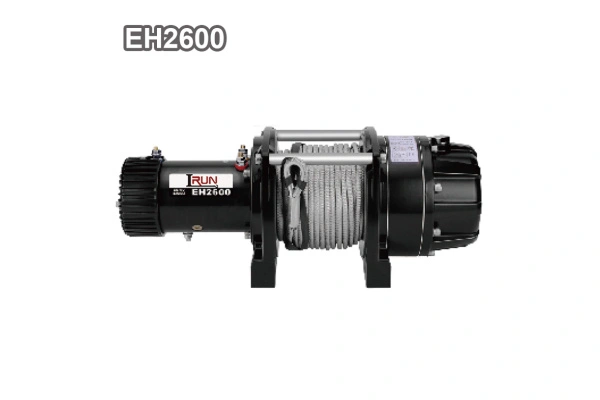
At Jinhua Runye Tech. Co., Ltd, we understand that the integrity of a 12V DC hoist depends entirely on the quality of its manufacturing process. Our state-of-the-art facility spans over 9,746 square meters and employs rigorous quality control measures at every stage of production. From raw material sourcing to final assembly, each component is inspected to meet stringent international standards, including ISO 9001:2000 certification.
We utilize high-grade alloy steel for gears and drums, ensuring exceptional durability and resistance to wear. The motors are tested for efficiency and thermal stability, preventing overheating during extended use. Furthermore, our waterproofing protocols guarantee that internal electrical components remain protected against moisture and dust, extending the lifespan of the hoist in harsh environments.
Our commitment to excellence extends to comprehensive testing procedures. Every 12V DC hoist undergoes load testing, brake verification, and electrical continuity checks before leaving our factory. This meticulous approach ensures that our customers receive products that not only perform reliably but also adhere to global safety regulations, providing peace of mind for professional users worldwide.
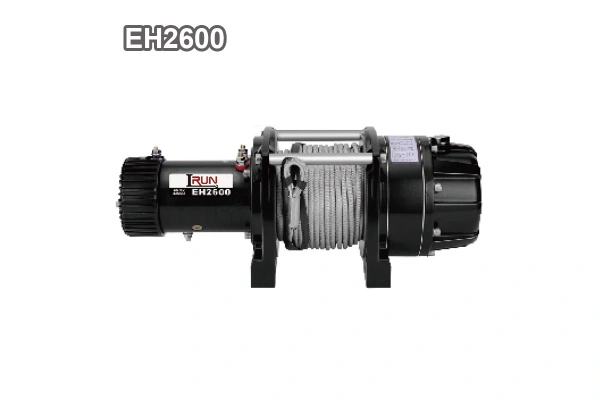
Ensure the hoist's rated capacity exceeds your maximum expected load by at least 50%. Check for clear labeling of working load limits versus break strength.
Look for permanent magnet or series-wound motors with high amperage ratings. Verify continuous duty cycles if frequent use is anticipated.
Prioritize hoists with wireless remote controls for safety. Check for ergonomic grips, weather-resistant buttons, and range limitations.
Automatic load-holding brakes are essential. Confirm that the brake engages instantly upon power release to prevent accidental load drops.
Verify warranty terms covering motor, gear train, and electronics. Assess the supplier's availability for spare parts and technical assistance.
Ensure the product meets relevant safety standards such as CE, RoHS, or ISO certifications. Documentation should be readily available for audits.
Essential for ATVs, UTVs, and 4x4 vehicles stuck in mud, sand, or snow. Provides self-rescue capability in remote locations without external assistance.
Used on flatbed trucks and utility vehicles to load heavy equipment, pallets, and building materials efficiently, reducing manual labor risks.
Waterproof-rated 12V DC hoists assist in launching boats, securing cargo, and managing anchor lines in corrosive saltwater environments.
Facilitates the movement of hay bales, feed bags, and machinery repairs on farms, offering versatile lifting solutions for diverse agricultural tasks.
Pull Power Range: 2,000 Lb to 50,000 Lb
Annual Output: 200,000 units
Certifications: ISO 9001:2000, CE, ROHS
MOQ: 1 unit for samples
Lead Time: ~1 month
Why Choose: Pioneer manufacturer with extensive R&D capabilities, supporting OEM customization and global export experience since 1999.
Production Scale: 9,746 sq.m. facility with 10 production lines.
Quality Control: Dedicated inspection team ensuring zero-defect output.
Customization: Flexible packaging and bracket mounting solutions tailored to buyer specifications.
Global Reach: Exporting to multiple continents with established logistics partnerships.
With proper maintenance, a high-quality 12V DC hoist can last for many years. Factors influencing lifespan include usage frequency, load conditions, and environmental exposure. Regular lubrication of gears and inspection of the wire rope are crucial for longevity.
While some hoists are rated for vertical lifting, most standard models are designed primarily for horizontal pulling. Always verify the manufacturer's specifications regarding vertical load capacity and ensure appropriate safety factors are applied.
Wire rope thickness depends on the hoist's pulling capacity and drum size. Thicker ropes generally offer higher strength but reduce the amount of rope that can be spooled. Consult the hoist's manual for recommended specifications.
Many modern 12V DC hoists feature waterproof ratings (IP67 or similar), making them suitable for wet environments. However, always inspect electrical connections and ensure the remote control is dry before operation to prevent short circuits.
Regular maintenance includes checking wire rope fraying, lubricating moving parts, testing brake function, and cleaning electrical contacts. Storing the hoist in a dry place when not in use also helps prevent corrosion and extends service life.
Privacy statement: Your privacy is very important to Us. Our company promises not to disclose your personal information to any external company with out your explicit permission.
Fill in more information so that we can get in touch with you faster
Privacy statement: Your privacy is very important to Us. Our company promises not to disclose your personal information to any external company with out your explicit permission.